
Tell HN: Merry Christmas – Holiday Culture Insight for Tech Communities
This article was inspired by a trending topic from Hacker News
View original discussionTell HN: Merry Christmas – What the Holiday Post Reveals About Hacker News Culture
Quick take
- What it is: A “Tell HN” post that spreads holiday cheer, showcases ASCII art, and invites community interaction.
- Why it matters: It’s a pulse check on HN’s vibe, a low‑stakes experiment in site‑wide theming, and a showcase for developer creativity.
- Who should care: Community managers, senior devs, and agency teams that want to gauge how tech‑savvy audiences respond to informal, seasonal outreach.
Why “Tell HN” Still Gets Clicks
Hacker News is a stripped‑down forum where the headline is the only real hook. A “Tell HN” prefix tells readers, “Hey, this isn’t a product pitch, it’s a quick note from a fellow hacker.” When the note says “Merry Christmas,” the post instantly becomes a communal holiday card.
The thread (id 46380168) exploded with ASCII trees, custom‑theme extensions, and nostalgic anecdotes. Even the site’s subtle color shift—red and green numbers for a day—sparked a cascade of comments about UI tweaks and accessibility. For agencies, that’s a case study in how a simple, authentic message can drive organic engagement without any marketing spend.
The Anatomy of a Holiday Post
| Element | What it looks like | Why it works |
|---|---|---|
| Headline | Tell HN: Merry Christmas | “Tell HN” signals community‑first, while the holiday tag adds relevance. |
| Body | Minimal text, often an ASCII art block or a short greeting. | Low cognitive load; readers skim and up‑vote if they like the art. |
| Comments | Users reply with their own art, theme hacks, or personal stories. | Turns a one‑off post into a mini‑forum that lives for days. |
| Meta‑hooks | Links to GitHub repos (e.g., a Christmas‑lights web component). | Provides tangible value, encouraging click‑throughs and forks. |
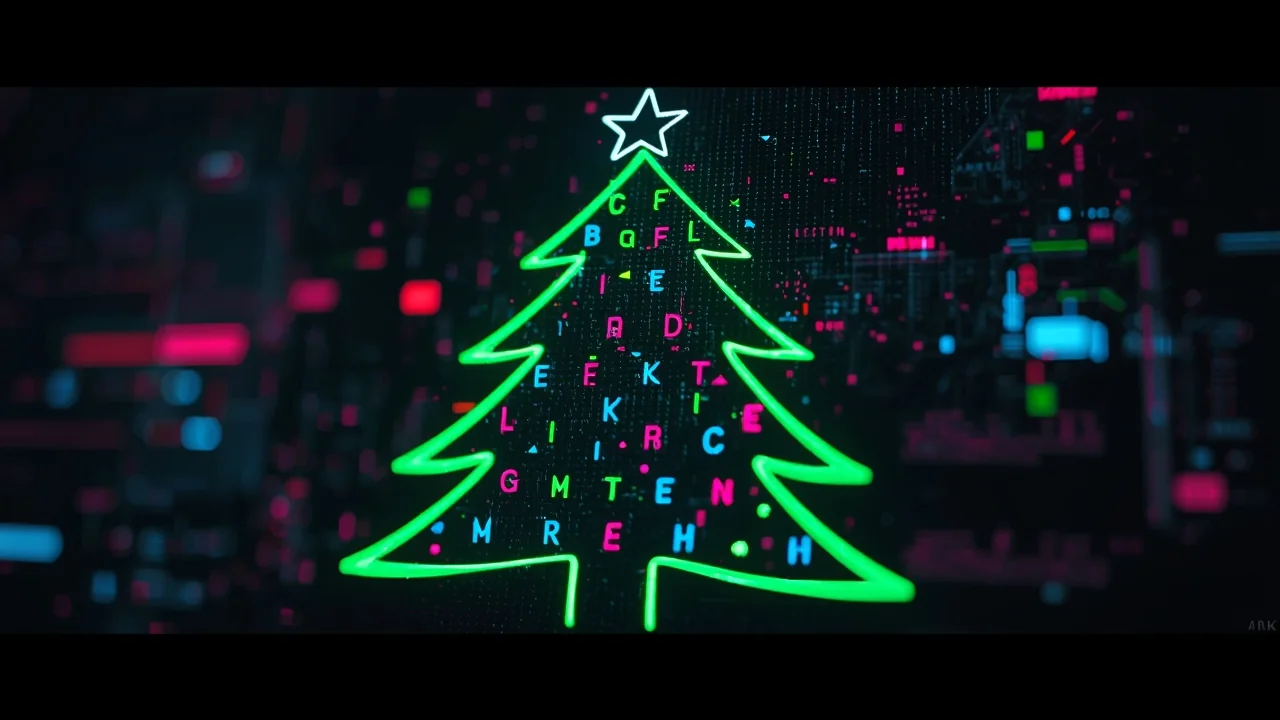
The post’s ASCII tree—a series of slashes, underscores, and asterisks—served as both a visual treat and a code‑snippet playground. Readers dissected the formatting, discussed pre tags, and even suggested improvements for screen‑reader accessibility.
Community Traditions and Techie Twists
Hacker News has a long‑standing tradition of seasonal theming. Each December, the site’s header subtly shifts to holiday hues, and the “Tell HN” greeting becomes a yearly staple.
Developers riff on this by:
- Building custom extensions that inject animated snowflakes or color‑blind‑friendly palettes.
- Publishing interactive demos (e.g., a live‑coded Merkle‑tree Christmas ornament).
- Sharing open‑source repos that other users can fork and adapt for their own sites.
These contributions create a virtuous loop: the original post gets up‑votes, the extensions get stars, and the community feels a shared sense of ownership.
Best Practices for Posting Seasonal Greetings
- Keep it short and scannable – A single line of text plus the art is enough.
- Use proper formatting – Wrap ASCII art in
<pre><code>blocks; it preserves spacing and signals “code” to the platform. - Add a value add – Include a link to a GitHub gist, a live demo, or a helpful resource (e.g., a quiz or tutorial).
- Be inclusive – A simple “Happy holidays” works if you’re unsure of your audience’s beliefs.
- Consider accessibility – Mention that the art may not render well for screen readers; provide a plain‑text description.
Pitfalls to Avoid
- Over‑decorating: Adding images directly to the post breaks HN’s minimalistic aesthetic and can be flagged.
- Spammy links: Self‑promotional URLs without context trigger moderation.
- Heavy fonts: Using non‑ASCII characters (e.g., emojis) may not survive the site’s sanitization pipeline.
- Ignoring mobile: ASCII art that looks great on a desktop can become a jumbled mess on a phone; test with a narrow viewport.
Real‑World Use Cases: From ASCII Trees to Custom Themes
1. Showcasing a Holiday‑Themed Component
A developer posted a link to a lightweight JavaScript widget that adds animated Christmas lights to any webpage. The repo gained 120 stars in 24 hours, demonstrating how a simple “holiday hack” can become a viral open‑source snippet.
2. Teaching Formatting Tricks
One comment dissected the post’s whitespace handling, explaining how HN renders text indented by two spaces as a code block. Junior devs used that as a quick lesson in markdown quirks.
3. Building Community‑Owned Extensions
A small team released a browser extension that forces the HN header into a deep‑red theme for the season. Users praised the effort, and the repo’s issue tracker turned into a discussion board for future seasonal tweaks.

These examples show that a humble holiday greeting can double as a tech showcase, a learning resource, and a community‑building tool—all without a marketing budget.
FAQ
Q: Can I post a “Tell HN” greeting for any holiday?
A: Absolutely. The format works year‑round; just replace the holiday name. Keep the tone sincere and avoid overt commercial language.
Q: Will the post survive moderation?
A: As long as it follows HN’s guidelines—no external advertising, proper formatting, and a clear “Tell HN” prefix—it’s safe. Posts that turn into self‑promotion threads are usually flagged.
Q: How do I make my ASCII art accessible?
A: Include a brief alt‑text description after the art, like “ASCII Christmas tree: a triangle of slashes and asterisks.” This helps screen‑reader users understand the visual intent.
Q: Is it worth linking to a GitHub repo in a holiday post?
A: Yes, if the repo adds genuine value (e.g., a theme switcher or a fun demo). The community loves useful, shareable code.
Q: What’s the ideal time to post a holiday greeting?
A: Early in the day (UTC) of the holiday. It catches both U.S. and European readers before the traffic dip that usually follows lunch.
By treating a “Tell HN: Merry Christmas” post as a micro‑experiment, agencies can learn how authentic, low‑effort content fuels engagement in technically sophisticated audiences. The key takeaway? Simplicity + community value = viral goodwill—and that’s a lesson any modern web team should file away for the next holiday season.